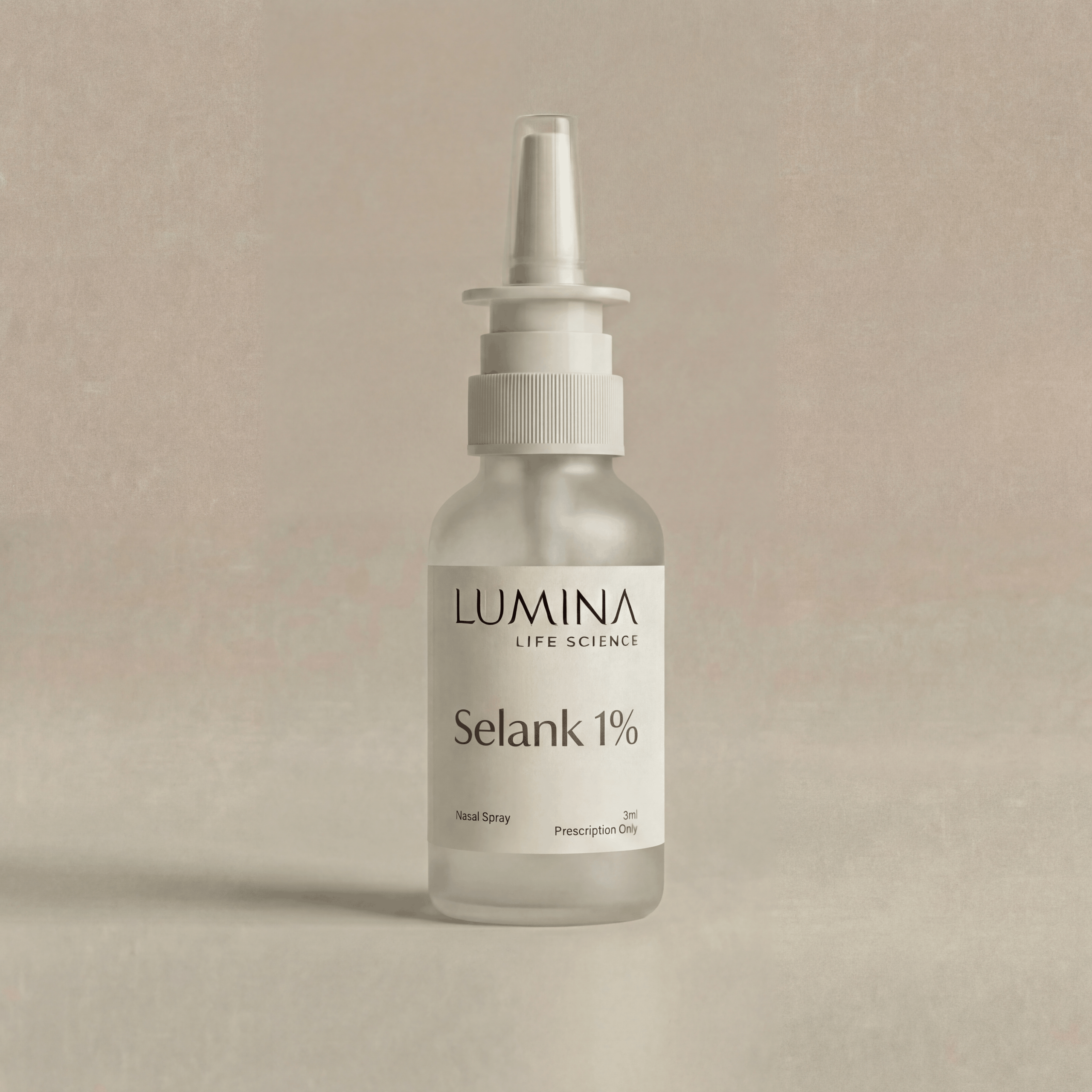
Selank is a neuropeptide-based nasal spray used in integrative and performance medicine to support a state of calm focus – relaxed, but still mentally sharp and switched on. Originally developed from a small fragment of a natural immune peptide (tuftsin), Selank has been studied for its ability to modulate key brain systems involved in anxiety, stress response, attention, learning, memory, mood and overall mental resilience. Rather than “knocking you out” or sedating you, many people describe Selank as helping them feel more grounded and less on edge, while still able to think clearly, make decisions and remain productive.
By influencing neurotransmitter systems such as GABA and monoamines, as well as brain-derived neurotrophic support pathways, Selank is often used in programs for people with busy, high-pressure lives who want better emotional regulation and cognitive performance. It can help reduce the sense of being overwhelmed by stressors, support smoother concentration and mental processing, and make it easier to transition from a high-alert “work brain” into a more relaxed evening state. Because it is delivered as a nasal spray, it is fast and easy to use, and when used correctly it generally does not cause the heavy sedation or next-day fog that can accompany some conventional medications.
It is important to understand that Selank is not an approved treatment or cure for anxiety disorders, ADHD, depression or insomnia. Instead, it is an emerging peptide therapy used under clinician guidance as adjunct support to help the brain handle stress more smoothly, sustain focus more comfortably and settle more easily at night, while the underlying drivers of stress or mood changes are properly addressed.
When used as directed and as part of a comprehensive plan, clients commonly use Selank to help support:
Calm without drowsiness
A smoother, more grounded nervous system state, without feeling “drugged” or sedated.
Mental clarity & focus
Better ability to concentrate, process information and stay productive when life is busy.
Stress resilience
Feeling less reactive or overwhelmed by stressors, with more emotional buffer through the day.
Evening wind-down & sleep preparation
Supporting the transition from “work brain” to “rest mode”, making it easier to relax at night.
Mood balance
A more stable, even mood when used alongside broader mental-wellbeing strategies.
*Individual results vary. Selank is not a stand-alone treatment for diagnosed mental health conditions and should always be part of a broader plan developed with your healthcare provider.
| AU Made | Vegan Friendly | Gluten Free | Corn Free |
| Y | Y | Y | Y |
| Dairy Free | Soy Free | Shellfish Free | No Egg Products |
| Y | Y | Y | Y |
| Ingredient name | Description |
|---|
| Selank peptide | 0.15% |
| Selank peptide | 0.75% |
| Selank peptide | 1% |
Active Ingredients
Selank peptide
Nasal Spray Strengths
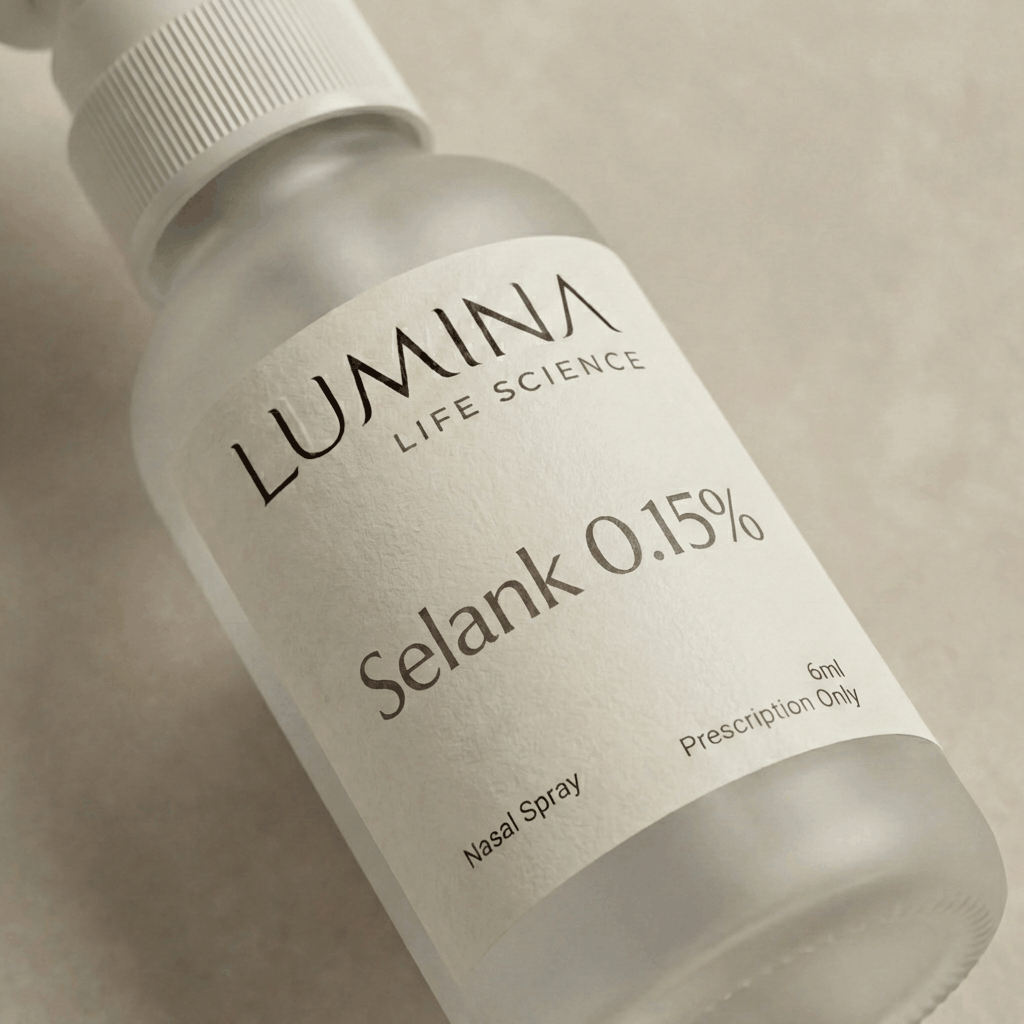
Selank 0.15%
150 mcg/mL
Approx. 0.1 mL per spray
Bottle size: 6 mL
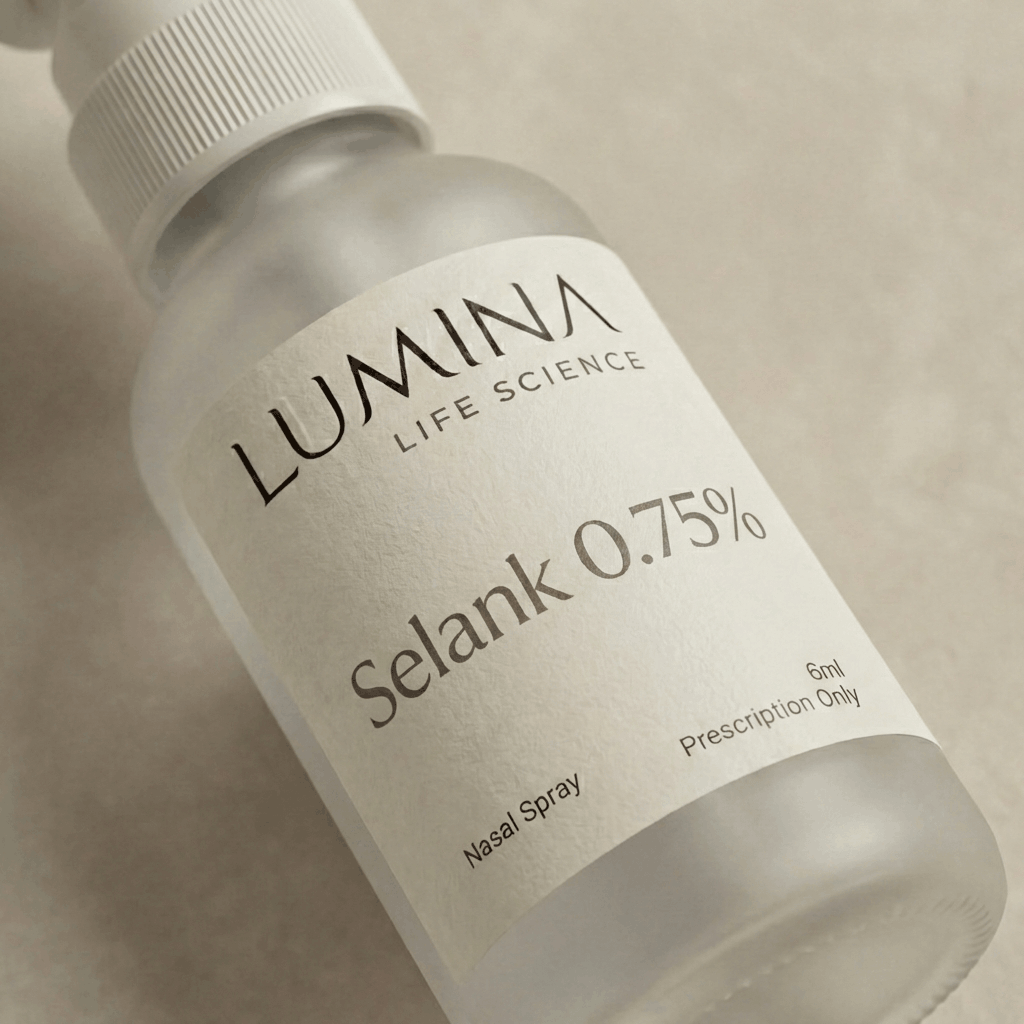
Selank 0.75%
750 mcg/mL
Approx. 0.1 mL per spray
Bottle size: 6 mL
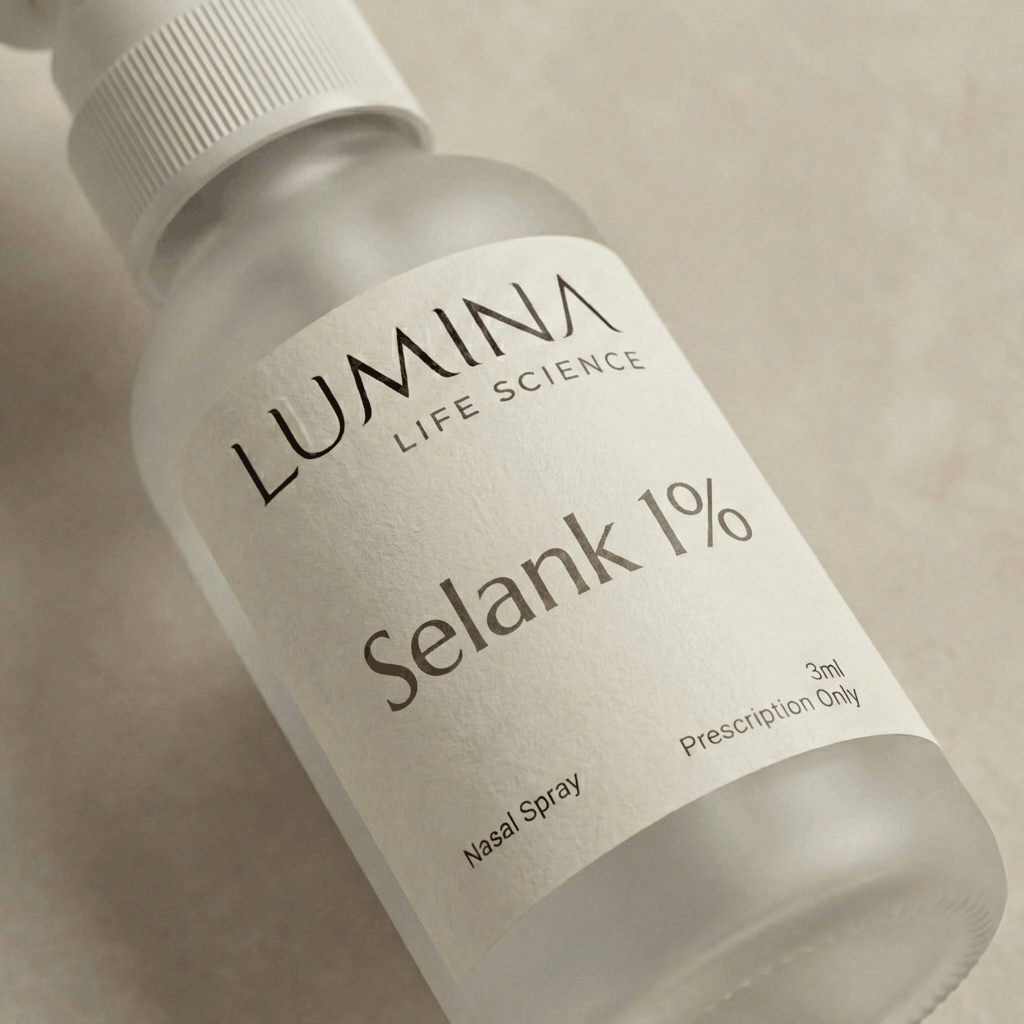
Selank 1%
1,000 mcg/mL
Approx. 0.1 mL per spray
Bottle size: 3 mL
Protocol & Standard Dosing
General Dosing
Dose:
1–2 sprays per nostril at each use
Timing:
Typically at night time
Some protocols may allow an additional daytime dose (e.g. before high-stress events) under practitioner guidance.
Frequency:
Commonly once daily at night
Your clinician will advise if more or less frequent dosing is appropriate.
How to Use
- Gently blow your nose if needed.
- Shake the bottle if directed.
- Insert the nozzle into one nostril, aim slightly outwards and back.
- Press the pump to deliver 1 spray; repeat for a second spray if prescribed.
- Repeat in the other nostril for the same number of sprays.
- Try not to sniff too hard immediately; allow the spray to coat the nasal lining.
- Do not exceed the total daily dose recommended by your clinician.
Side Effects, Reactions & Medical Contraindications
Use is generally not recommended in:
- Known allergy or hypersensitivity to Selank or any component of the nasal spray
- Pregnancy or breastfeeding (insufficient safety data)
- Significant, unstable psychiatric conditions (e.g. severe depression, psychosis, active suicidal ideation) without specialist care
- Serious nasal or sinus disease (e.g. significant chronic infection, structural problems) without ENT/medical input
- Individuals taking multiple CNS-active medications (sedatives, antidepressants, antipsychotics, etc.) without prescriber oversight
- Always discuss your full medical and mental-health history, and all medications, with your clinician before starting Selank.
Common Side Effects and Adverse Reactions – Generally mild and transient where they occur:
- Nasal irritation
- Burning, tingling, dryness, congestion, runny nose or sneezing
- Headache or light-headedness
- Often settles as the body adjusts
- Mild fatigue or, occasionally, stimulation
- Some feel pleasantly calm; a small number may feel a bit wired if dosed too late or too high
- Digestive upset
- Mild nausea in sensitive individuals
- If these effects are persistent, uncomfortable or worrying, contact your healthcare provider to review dose and timing.
Reactions Requiring Medical Attention – Stop using Selank and seek medical attention (or emergency care if severe) if you notice:
Signs of a serious allergic reaction:
- Widespread rash, hives
- Swelling of face, lips or tongue
- Difficulty breathing or swallowing
Severe or unusual neurological symptoms:
- Severe, persistent headache
- Confusion, disorientation or pronounced changes in behaviour
- Marked worsening of mood, anxiety or new-onset suicidal thoughts
- Any new or worsening symptom that feels serious, unusual or concerning
Safety Note
- Selank is an emerging neuropeptide therapy with promising data for anxiety and cognitive support, but long-term human data remain limited. Because of this:
- It should only be used under clinician supervision
- It must be seen as adjunctive, not a replacement for therapy, lifestyle changes or, where needed, conventional medication
- Regular check-ins with your practitioner are recommended to assess benefit, side effects and whether ongoing use is appropriate
Long‑term data is limited. Use should always be monitored by a qualified clinician, with regular reviews and ongoing medical supervision. Informed consent is essential.



 Weight & Metabolism