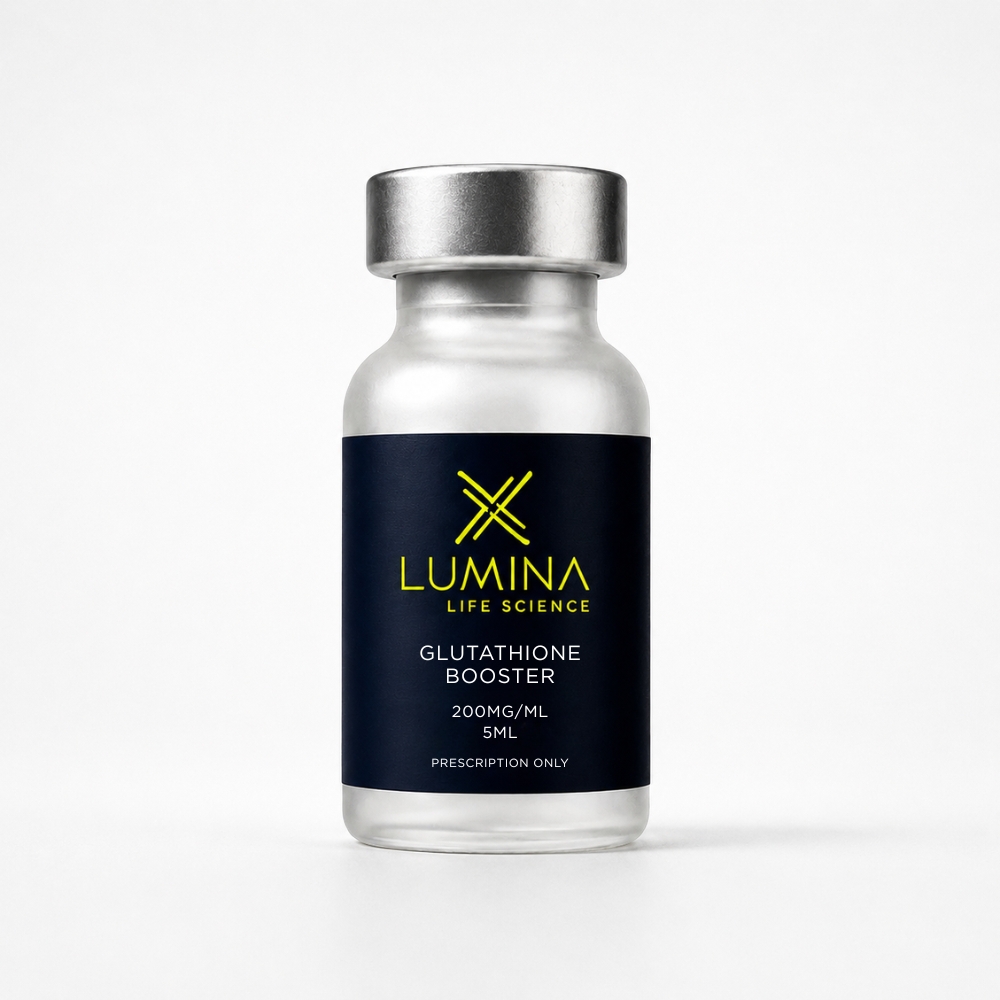
Glutathione is often called the body’s “master antioxidant” because it plays a central role in protecting cells from oxidative stress, supporting detoxification pathways in the liver and helping to keep other antioxidants such as vitamins C and E in their active forms.
This injectable Glutathione formulation delivers a concentrated dose directly into the body, bypassing digestive limitations that can affect oral absorption. In clinical wellness and optimisation settings, Glutathione is commonly used to support liver health, cellular defence, skin clarity and overall resilience in the face of modern lifestyle stressors, environmental exposures and high training loads.
Rather than being a stimulant or a quick-fix energy shot, Glutathione is part of the deeper “housekeeping” system that helps cells manage free radicals, metabolise toxins and maintain healthy redox balance. Clients who receive Glutathione as part of a broader plan often do so alongside targeted nutrition, hydration, sleep support and other therapies aimed at reducing the load on detox pathways. Over time, many people report improvements in vitality, recovery, skin brightness and general wellbeing, particularly when underlying nutrition and lifestyle foundations are already in place. This is a supportive therapy, not a cure; its best role is as a booster for the body’s own antioxidant and detox systems under professional guidance.
When used as directed and as part of a comprehensive lifestyle and medical plan, clients commonly use Glutathione injections to help support:
Cellular antioxidant defence
Glutathione is a key intracellular antioxidant that helps neutralise free radicals and reactive oxygen species, supporting long-term cellular health.
Liver detoxification pathways
Widely used in functional and integrative medicine as part of liver-support programs, Glutathione helps the body process and eliminate metabolic by-products and environmental toxins more efficiently.
Skin clarity and brightness
Many clients use Glutathione as part of skin-focused protocols, with the aim of supporting a clearer, more even and “brighter” complexion from the inside out.
Recovery from stress and training
By helping to manage oxidative stress and inflammation associated with intense exercise or busy lifestyles, Glutathione can sit alongside nutrition and sleep strategies to support recovery.
Immune and general wellbeing support
Because redox balance and detox function impact many systems, Glutathione is often included as part of broader programs targeting resilience, immunity and healthy ageing.
*Individual results vary. Glutathione is not a stand-alone treatment for liver disease, autoimmune conditions, serious chronic illness or skin disorders, and should always be used under practitioner supervision.
| AU Made | Vegan Friendly | Gluten Free | Corn Free |
| Y | Y | Y | Y |
| Dairy Free | Soy Free | Shellfish Free | No Egg Products |
| Y | Y | Y | Y |
| Ingredient name | Description |
|---|
| Glutathione | 200mg |
Active Ingredient
Glutathione (reduced form) – 200 mg/mL
Presentation – Injectable Vial
Strength: 200 mg/mL
Volume: 5 mL multidose vial
Total content per vial:
200 mg/mL × 5 mL = 1,000 mg (1 g) Glutathione
Protocol & Standard Dosing
Standard Use
Dose: 0.50–1.00 mL per treatment (≈ 100–200 mg)
Frequency: 1–2 times per week, or as directed by the clinician.
Administration:
Subcutaneous injection (SC) using a fine insulin syringe.
Inject into fatty tissue (e.g. lower abdomen or outer thigh) as instructed by your clinician.
Rotate sites and use clean techniques.
Timing:
Commonly taken in the morning, with or without food.
Directions for Use:
Take 1–2 capsules daily with water, or as directed by your healthcare practitioner.
Side Effects, Reactions & Medical Contraindications
Use is generally not recommended in:
- Individuals with known allergy or hypersensitivity to Glutathione or any component of the formulation.
- Pregnancy or breastfeeding, unless specifically advised by a healthcare provider aware of the evidence and your history.
- People with severe asthma or a history of significant bronchospasm with sulfite-containing or similar agents (caution and specialist advice recommended).
- Individuals with significant liver, kidney or autoimmune disease unless under close medical supervision and with clear clinical rationale.
- A thorough medical history and medication review should be done before starting injectable Glutathione.
Possible Side Effects
- Most people tolerate Glutathione injections well when administered correctly. Where side effects occur, they may include:
- Injection-related discomfort – mild pain, redness, swelling or bruising at the injection site.
- Headache, nausea or light-headedness, particularly if administered too quickly IV.
- A transient feeling of flushing, warmth or “detox” sensations, especially with higher doses or in sensitive individuals.
- Rarely, allergic-type reactions in susceptible people.
- If symptoms are persistent, uncomfortable or worrying, treatment should be paused and reviewed with the prescribing clinician.
Reactions Requiring Medical Attention
Stop the infusion/injection and seek urgent medical review (or emergency care if severe) if:
- There are signs of a serious allergic reaction – widespread rash or hives, swelling of lips/face/tongue, difficulty breathing or swallowing.
- You experience chest pain, severe shortness of breath, marked dizziness or fainting during or after administration.
- Any new or rapidly worsening symptom feels severe, unusual or concerning.
Safety & Use Notes
- Glutathione injections are a medical therapy, not a cosmetic topical, and should only be given under trained supervision.
- They are not a replacement for treatment of chronic disease, nor a stand-in for a healthy diet, movement, sleep and reduced toxin exposure.
- Best outcomes come when Glutathione is part of a coordinated plan that includes optimised nutrition (particularly protein and antioxidant-rich foods), hydration, stress management and appropriate medical care.
- Regular review with your clinician is recommended to assess benefit, side effects and whether ongoing treatment is appropriate.



 Weight & Metabolism